
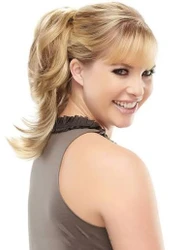
Ponytail Hair Extensions Australia: Find a Lighter Fit
3rd Oct 2026
Ponytail Hair Extensions Australia Feel Heavy? Check Length First
Ponytail hair extensions in Australia can feel heavy when length, gram weight, attachment, and natural hair density do not work together. Longer pieces often carry more hair, but length alone cannot predict comfort.
Before buying, check the extension's actual weight, your ponytail strength, and where you plan to wear it. A secure shorter piece often feels better than dramatic length pulling from one base.
Length Changes More Than Where the Ponytail Ends
With hair extensions for a ponytail, extra length usually means more fiber hanging from the same attachment area. That changes movement, leverage, and how secure the base feels.
A 60cm ponytail can create dramatic length, while a 30cm or 35cm piece keeps more hair closer to the attachment.
Think about length by use:
- 30cm: compact curls and controlled volume
- 35cm: shorter straight finish
- 48cm: more movement and visible length
- 60cm: long, dramatic result
- Extra-long styles: greatest visual change
The Wig Outlet's ponytail hair pieces include each of these length levels.
Check Gram Weight Before Deciding a Length Is Light
A ponytail extension Australia buyer should never assume a short piece is automatically lightweight. Construction, density, fiber, hardware, and attachment can change the total weight.
For example, the site's 35cm straight claw-clip ponytail lists a weight of 200 grams. Length alone would not reveal that.
Check |
What It Tells You |
|---|---|
|
Length |
How far the ponytail falls |
|
Gram weight |
How much load you attach |
|
Density |
How full it looks |
|
Attachment |
How the load is held |
|
Texture |
How much visual volume you see |
Always read the specifications before using length as a comfort shortcut.
Match Ponytail Length to Your Natural Hair Density
Fine natural hair creates a smaller anchor than thick hair. A heavy clip-in ponytail extension can therefore feel very different on two people.
Your base needs enough hair to stay secure without excessive tightening. If the ponytail already feels fragile, adding maximum length may make the problem more obvious.
For a smaller natural base, consider:
- Shorter or medium length
- Lower listed weight
- Moderate density
- Compact attachment
- A lower ponytail position
- Less hardware at the base
Our short-hair ponytail blending guide covers base-building in more detail.
High Ponytails Can Make the Same Extension Feel Different
A high hair ponytail extension hangs from a smaller area near the crown. Movement can make that load feel more noticeable during walking, dancing, or turning.
A low ponytail places the attachment closer to the nape. It also makes the same extension fall farther down your back without buying additional length.
Compare placement before choosing extra inches:
- High: dramatic lift and more movement
- Mid-height: balanced everyday position
- Low: less visual lift and easier long-length effect
If you only want the ponytail to reach farther down your back, changing position may solve that without adding more hair.
Attachment Type Changes How the Weight Sits
A claw clip ponytail extension does not distribute weight exactly like a wrap-around, drawstring, or clip-in comb.
The right attachment depends on the base you can create, not which system sounds strongest.
Attachment |
Useful When |
|---|---|
|
Claw clip |
Your bun gives the claw enough material to grip |
|
Drawstring |
You want adjustable tension around a compact bun |
|
Wrap-around |
You want a flatter, polished attachment |
|
Clip-in comb |
Your base can support a smaller anchor |
The site's ponytail length and clip guide explains these attachment differences more broadly.
Curly Ponytails Can Add Fullness Without Extra Length
A curly clip-in ponytail hair extension can appear fuller because curls spread outward. Straight fiber usually creates more visual length before it creates the same body.
If volume is the real goal, choosing texture carefully may prevent unnecessary length.
Choose by the result you want:
- Straight: sleek length
- Loose curls: movement and softness
- Ringlets: stronger shape
- Wavy: length with visible body
- Short curls: fullness close to the base
This is useful when you want a bigger ponytail but do not want more weight hanging several inches lower.
Shorter Does Not Automatically Mean Lightweight
The best ponytail extensions Australia buyers choose should be judged by specifications, not a photo or length label alone.
A shorter, dense claw-clip piece may weigh more than a longer extension using different fiber and construction.
The site's 60cm wrap-around ponytail is described as lightweight despite its long 60cm length.
Before deciding, compare:
- Length
- Listed weight
- Density
- Fiber
- Attachment hardware
- Natural ponytail size
Those six details tell you far more than length by itself.
Test the Base Before Wearing the Extension for Hours
A clip-on ponytail extension should feel stable when you move. It should not rotate, drag backward, or require constant adjustment.
Test it at home before wearing it to work, dancing, a wedding, or another long event.
Try this simple movement check:
- Turn your head left and right
- Look downward
- Walk around
- Sit and stand
- Gently shake your head
- Check the attachment from behind
- Notice any pulling after several minutes
If the base starts moving, more pins may help secure it. They will not make an unsuitable weight disappear.
Do Not Fix Excess Weight by Pulling Hair Tighter
A heavy ponytail with hair extensions can tempt you to tighten the natural ponytail until the piece stops slipping.
That is not a good comfort test. The attachment should feel secure without causing pain or persistent pulling.
Stop and reassess if you notice:
- Scalp pain
- Strong pulling
- Headache
- Hair being dragged at the base
- Constant slipping
- The need to overtighten elastics
Try less length, lower weight, another attachment, or a lower position instead of increasing tension.
Choose Color After Length and Weight Make Sense
A perfect shade cannot rescue ponytail clip-in hair extensions that feel uncomfortable or unstable.
Resolve the practical details first. Then match the color around your natural ponytail base, because that is where the extension joins your hair.
For compatible Allaura pieces, the Allaura ponytail color ring helps compare the available shades before ordering.
Your buying order should be:
- Desired finish
- Length
- Gram weight
- Attachment
- Natural hair density
- Texture
- Color
That order prevents color from becoming the only decision you make carefully.
Use This Length and Weight Checklist Before Buying
Before ordering ponytail hair extensions in Australia, write down what your natural hair can realistically support.
Do not choose the longest product first and work backward.
Check these details:
- How long is your natural ponytail?
- Is your hair fine, medium, or thick?
- How much does the extension weigh?
- How long is the extension?
- Is it straight, wavy, or curly?
- What attachment does it use?
- Where will you position the ponytail?
- How many hours will you wear it?
- Will you dance or move heavily?
- Can the base stay secure without overtightening?
A shorter option can still give a dramatic change when texture and volume are chosen well.
Choose the Length Your Own Ponytail Can Support
The right ponytail hair extensions Australia choice is not automatically the longest, fullest, or lightest option. It is the piece your natural ponytail can support comfortably.
At The Wig Outlet, ponytail styles range from compact 30cm curls to long 60cm straight pieces, with several attachment types between them.
Check length first, then verify gram weight, attachment, density, and placement. The best result should add the hair you want without making the base or the part noticeable all day.