
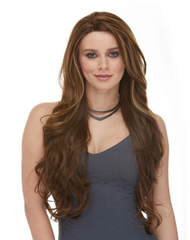
Soft Wig Layers vs. Choppy Layers: What Changes the Look
6th May 2026
Why Some Wig Layers Look Soft, and Others Look Too Choppy
A layered wig can look soft, natural, and flattering, or it can look sharp, bulky, and too obviously cut. The difference usually is not just the haircut. It is the mix of density, front shape, cap construction, and fit.
At The Wig Outlet, we see this all the time. A shopper loves the photo, then the wig arrives and feels heavier or harsher than expected. The good news is that there are clear signs you can check before you buy.
If you want the wider realism checklist first, our guide on how to find a wig that looks natural is a great place to start.
Soft Layers Usually Start With the Right Density
This is the first thing to check.
When a wig has too much hair for the cut, the layers stop blending and start stacking. That is when the style begins to look too full, too sharp, or too “wiggy.” Own buying advice both point back to density as one of the clearest reasons a wig stops looking natural.
At The Wig Outlet, we already explain this through a very practical density guide:
- 130% usually looks natural for everyday wear
- 150% is fuller but still wearable
- 180%+ looks much thicker and more dramatic
That is why one layered wig can look soft while another feels too heavy. The cut may be similar, but the density is not.
This matters even more in longer styles and fuller textures. A curly layered wig can get bulky much faster than a shorter shape if the volume is too high from the start. If you want a style that feels easier to wear day to day, our everyday wear wigs are often a safer starting point than the fullest styles on the site.
The Front of the Wig Often Decides Whether the Layers Look Soft or Harsh
The front gives a lot away.
Soft layers usually frame the face gently. They taper in and blend into the rest of the wig. Choppy layers usually look heavier around the face first. The front pieces may feel too thick, too blunt, or too separate from the cut.
This is especially easy to notice in a layered fringe wig or a style with bangs. A fringe can soften the look beautifully, but if the front is too dense, the whole wig can start to feel blocked and hard. That lines up with broader wig-buying guidance that flags thick fronts and dense hairlines as major realism problems.
That is one reason a lace front wig can help. A softer hairline usually makes the whole cut feel more natural. If fringe styles are what you like most, our blonde wigs with bangs can help you compare softer fronts against heavier ones more clearly.
Cap Construction Changes the Way Layers Fall
Two wigs can have a similar cut and still sit very differently.
That usually comes down to the cap. A heavier cap can make layers sit stiffly. A lighter construction gives the wig more movement and helps the layers fall more naturally.
This is where features like these matter:
- lace front
- monofilament top
- hand-tied sections
- lighter cap construction through the crown and sides
A layered lace wig often feels softer for this reason. The front sits better, and the hairline usually looks gentler. Our Monofilament Wig Upgrade is worth reading here because it explains why lighter density and better cap construction can reduce bulk and improve natural movement.
Fit Problems Can Make Good Layers Look Bad
Sometimes the cut is fine. The fit is the issue.
If the cap is too big, the wig can lift at the crown, bunch at the back, or sit away from the face. Once that happens, even a good cut can start looking awkward. This is one reason a style may look soft on the model but too sharp in real life. The wig is not sitting where it should.
That is why our wig hairline placement guide matters so much. A wig that sits too far forward or too low can look heavier than it really is. It also helps to double-check sizing in our Wig FAQs. At The Wig Outlet, we note that almost 19 out of 20 people fit average-size wigs, which usually sit around 21 to 22 inches or 53.5 to 55 cm. That gives you a useful benchmark before ordering.
Longer and Fuller Styles Need More Balance
Not every layered style carries the same risk.
A layered bob wig can still look soft because the shorter length keeps the shape more controlled. The same goes for many short-layered wigs. They can hold their cut well without building too much extra volume.
Longer styles need more caution. A blonde layered wig can start looking too busy if the density is high and the cut already has a lot going on. The same is true for a very full-layered blonde wig or a more dramatic 90s layered hair wig.
That does not mean these styles are wrong. It only means they need a closer look before you buy. If you are comparing shorter cuts, our bob wig styling guide can help you see how small cut differences change the whole look.
Before You Think About Cutting the Wig, Check the Real Problem
A lot of buyers end up looking for how to layer a wig after the wig arrives. Others start looking for how to cut a wig into layers because the style feels too blunt.
Sometimes trimming helps. A lot of the time, though, the problem started earlier.
Check these first:
- Is the density too full for the cut?
- Does the front look too thick?
- Does the cap sound stiff or bulky?
- Is the crown sitting too high?
- Does the style only look soft because it is heavily styled in photos?
This matters in layered human hair wigs as much as it does in synthetic ones. Better hair fiber does not automatically fix a cut that was too full from the start. If you are still comparing shapes, our blonde wigs and human hair wig trends can help you judge softness, density, and movement more clearly.
Our Simple Checklist Before You Buy Wigs With Layers
If you want the short version, use this:
Choose softer-looking wigs with layers when:
- The density looks balanced
- The front blends into the face
- The crown sits flatter
- The cap sounds lighter and more flexible
- The style still looks good without dramatic styling
Be more careful when:
- The wig looks very full for the cut
- The front looks thick and blocky
- The layers seem disconnected
- The cap details are vague
- The wig depends on heavy styling to look blended
At The Wig Outlet, we would always rather help you pick a style that feels right from the start than leave you trying to rescue one later. If you want help before buying, you can always contact us. And once your wig arrives, our wig care products and full wig care guide can help you keep the cut looking the way it should.
The simplest way to think about it is this: soft layers usually come from balance. Choppy layers usually come from too much fullness, a heavy front, a stiff cap, or the wrong fit. Once you know that, the difference becomes much easier to spot before you buy.